Why Old Homes Feel Different
Step into an old home and you can feel the difference — the weight of the doors, the character of the trim, the gentle imperfections that give each wall its charm. Updating old homes for modern living is not just about preserving this charm, but enhancing it. That’s not nostalgia. It’s the product of real materials and real craftsmanship. Builders of the early 1900s used solid wood, plaster, brick, and stone — materials meant to last for generations. They built homes by hand, using techniques that took years to master.
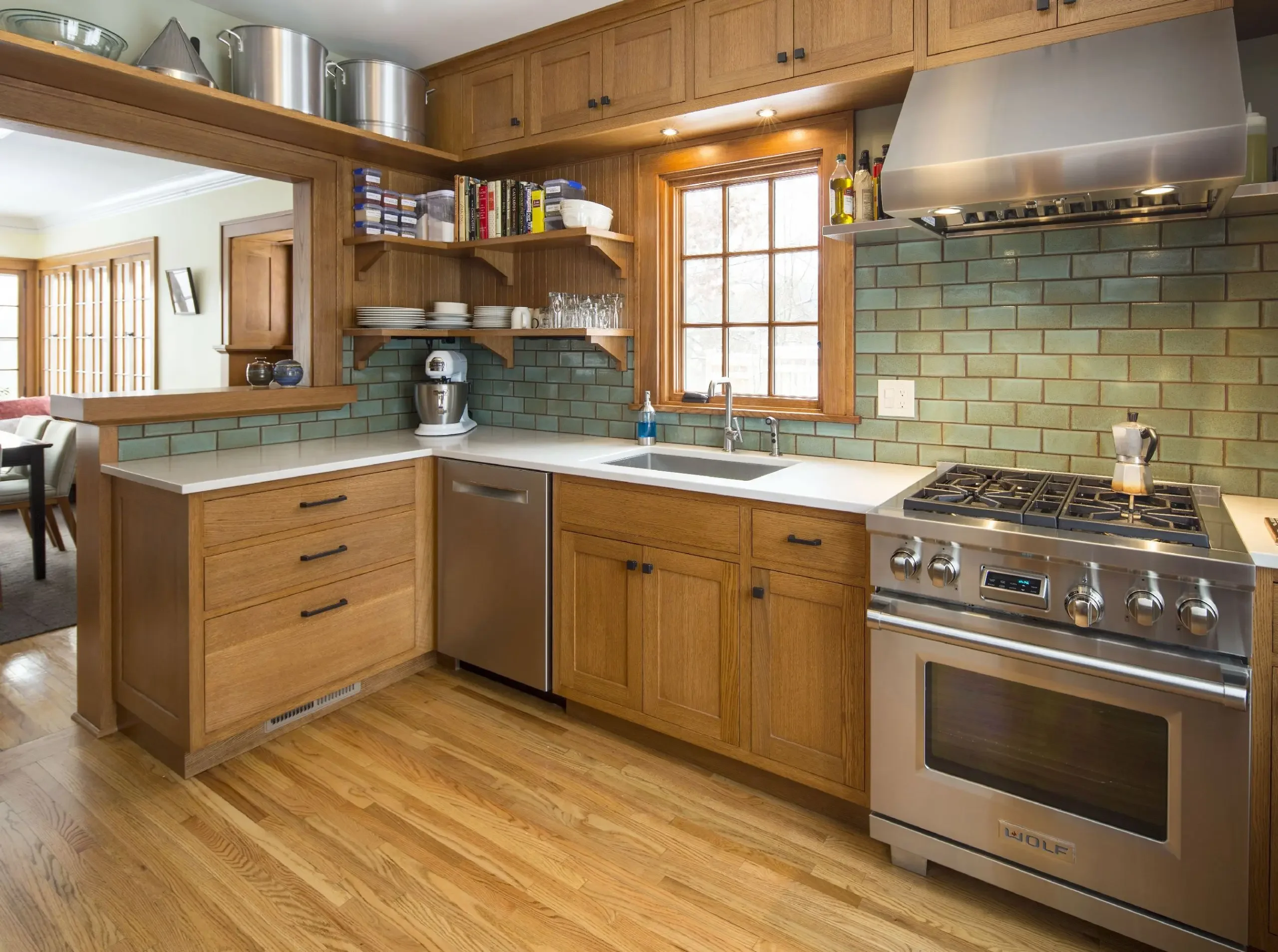
Updating old homes for modern living involves more than just changes; it means joining that lineage of builders who believed that quality mattered.
History Paints the Picture
Before you can thoughtfully remodel an old home, it’s important to understand why it was built the way it was. That context adds respect for the generations who lived there before you — and helps guide how the home should evolve.
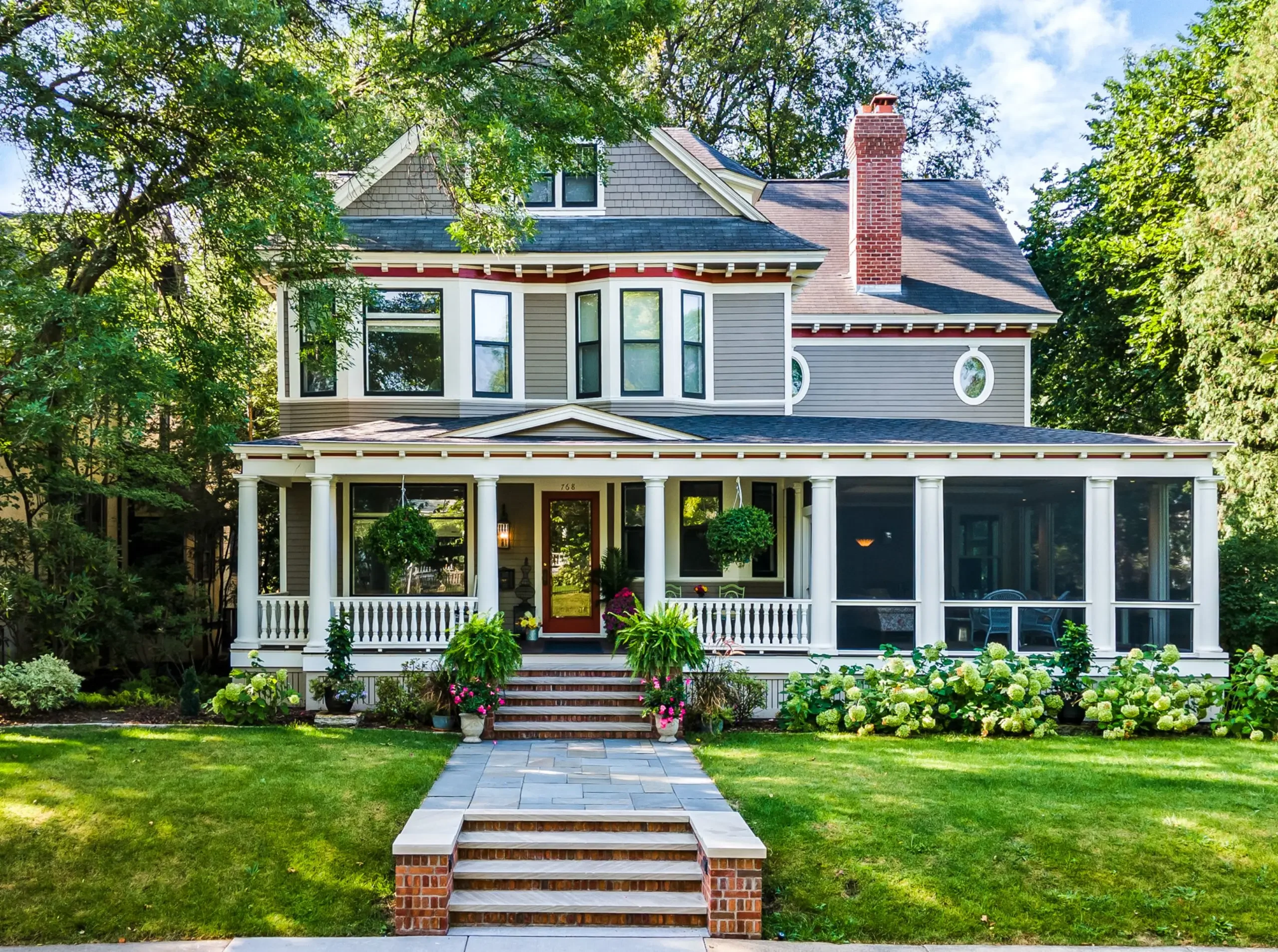
In the Twin Cities, “old home” can mean many things. Late-1800s Victorians and Queen Annes, early-1900s Craftsman and Prairie homes, post-war Bungalows and Cape Cods — even early Mid-Century Modern houses — each reflect the priorities of their time. Updating old homes for modern living respects these historical contexts.
Early homes were built by hand — with plaster walls, solid wood, and intricate trim — designed for smaller families and formal living. By the mid-century, efficiency and affordability took precedence, giving rise to simpler layouts and standardized materials. Each era left its mark, and understanding those choices helps us honor what makes these homes special while adapting them for modern life. Updating old homes for modern living ensures these adaptations retain the original charm.
Move the slider to reveal the transformation.
Understanding the “Why” Behind the Quirks
Here are some of the quirks we encounter most — and how we thoughtfully update them for modern life:
Small, Closed-Off Kitchens
Why? Homes were designed for efficiency, not entertaining. The kitchen was separate from the dining and living rooms because formal entertaining was the norm.
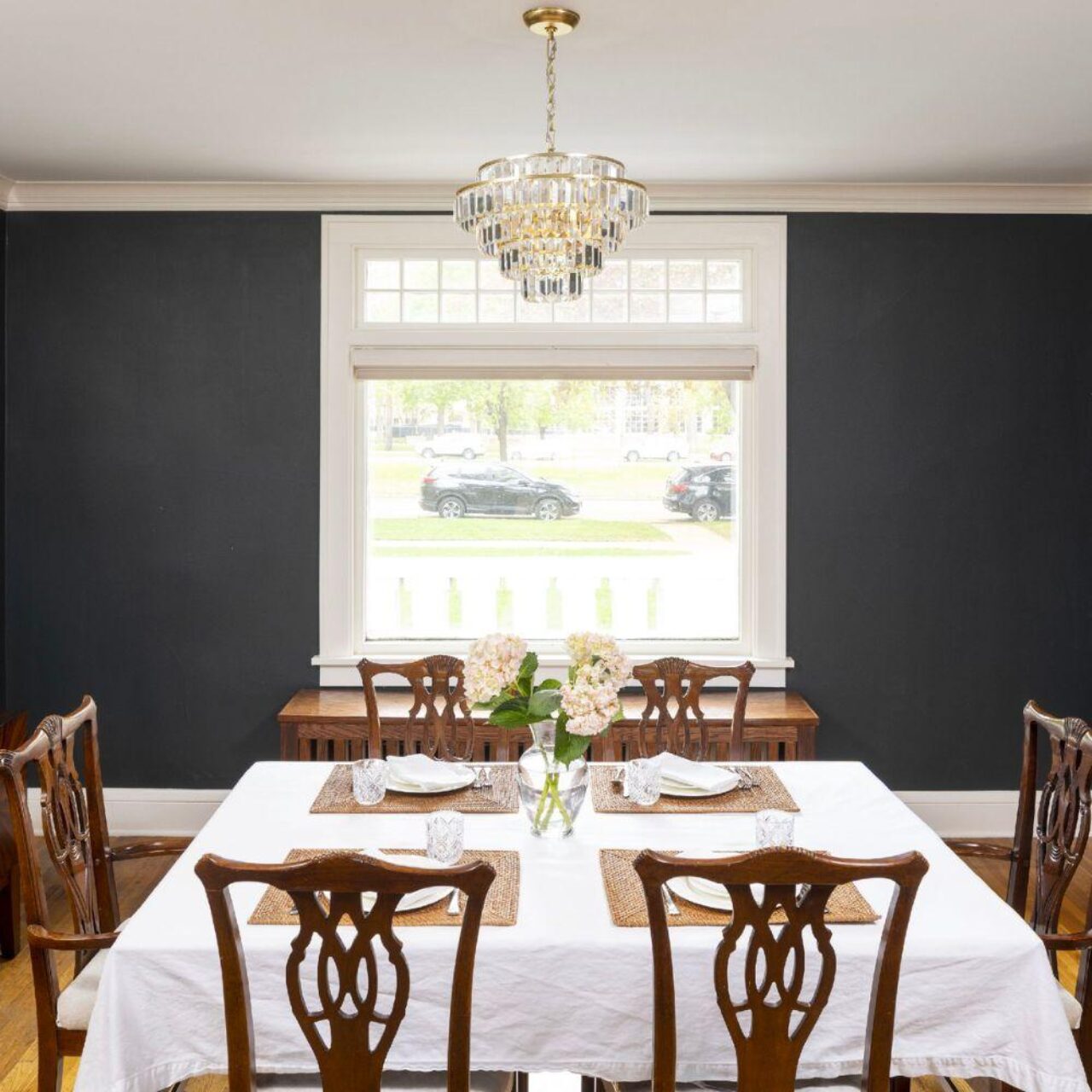
Solution: Today, families crave connection — open flow between the kitchen and dining areas, where conversation and cooking happen together. But full “open concept” layouts can sometimes feel cold or undefined. We find the balance by designing a kitchen that complements the dining room’s original charm — we often widen openings and match trim details to create visual flow.
It’s not always about adding space — it’s about using what you have more effectively.
Minimal Storage
Why? A century ago, people simply owned less. There was no bulk shopping or online ordering — and closets were smaller because wardrobes were, too.
Solution: Today we make Costco runs and Amazon is just a click away. Simply put, we have more stuff — and the challenge is where to put it. Custom cabinetry in your kitchen, bathroom, or closets can make all the difference. We can maximize every inch, fitting smart storage solutions into the nooks and crannies of your home. These days, there’s almost nothing you can’t hide behind a cabinet door to suit your storage needs.
Tiny Bathrooms in Strange Locations
Why: Bathrooms weren’t seen as places to relax — they were purely utilitarian. The focus was on fitting the necessary fixtures (a toilet, sink, and tub).
Solution: We reorganize layouts to make sense for modern life — sometimes combining small rooms, borrowing space from adjacent closets, or adding dormers to upper-level baths for light and headroom.
Outdated Systems
Why: A century ago, homes were built for simpler living — fewer appliances, limited wiring, and smaller plumbing loads. Plus, insulation and windows were minimal, since energy costs were lower and efficiency wasn’t a priority.
Solution: We take rooms down to the studs and rebuild from the inside out — upgrading electrical, plumbing, HVAC, and insulation to meet modern codes for safety and comfort. We also introduce lighting that complements the home’s architecture and enhances both form and function. These behind-the-scenes improvements ensure old homes live as beautifully as they look.
Mixed Additions Over the Decades
Why: As homes evolved to meet new needs and budgets, additions were often made without architectural consistency. Over time, small compromises added up — rooflines misaligned, floor heights shifted, and materials clashed.
Solution: We restore architectural harmony by leveling floor transitions, refining rooflines, and choosing trim and materials that connect the home’s many eras into one timeless design.
A Labor of Love
Over the years, demand for remodeling surged and mass-produced materials made home updates more affordable but often less enduring. Wood paneling, laminate countertops, and hollow-core doors replaced traditional finishes in the name of convenience. Decades later, those quick fixes haven’t aged well, leaving behind a patchwork of dated materials that hide a home’s original character.
A modest Macalester-Groveland home maximizes its attic space.
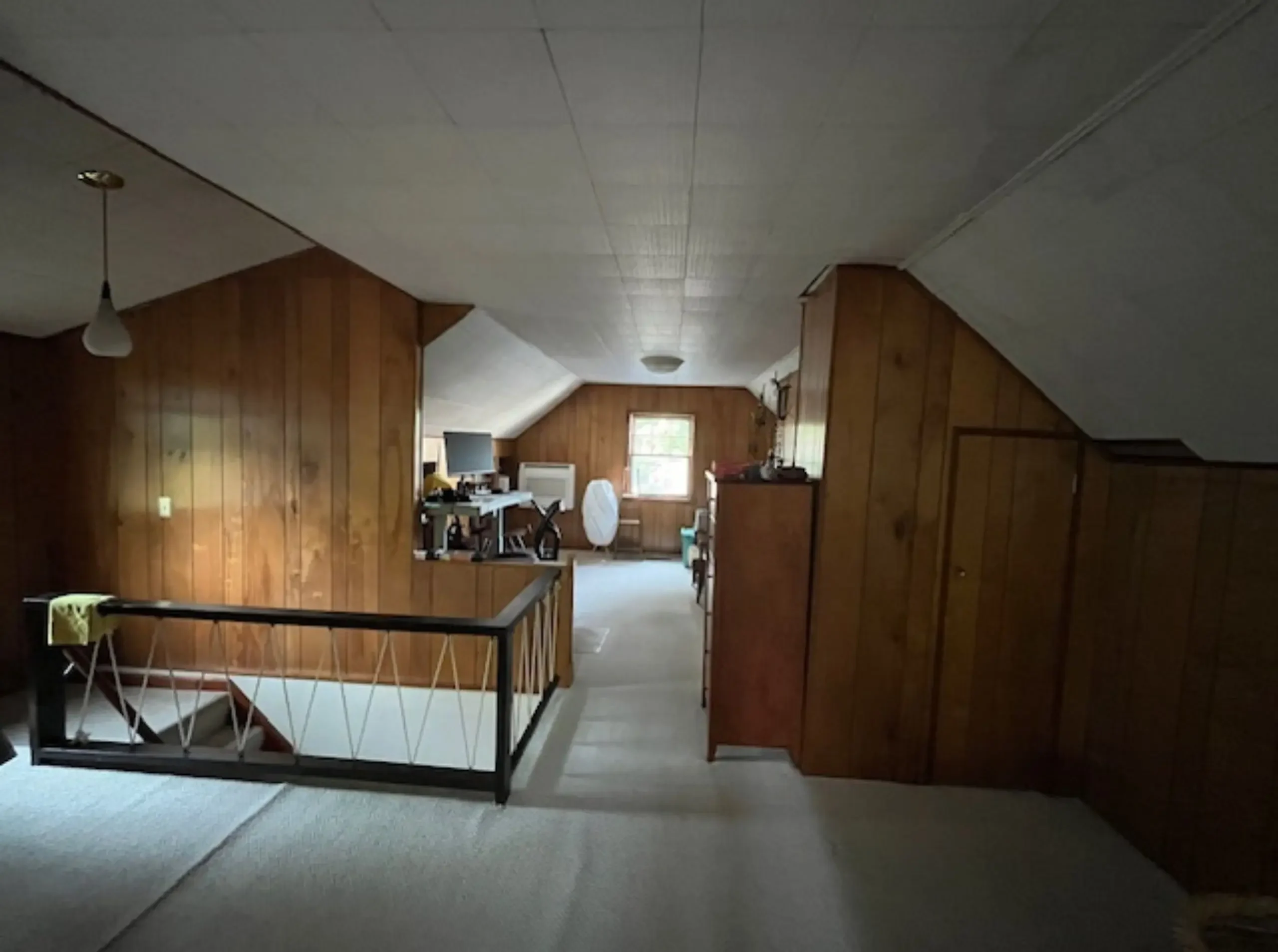

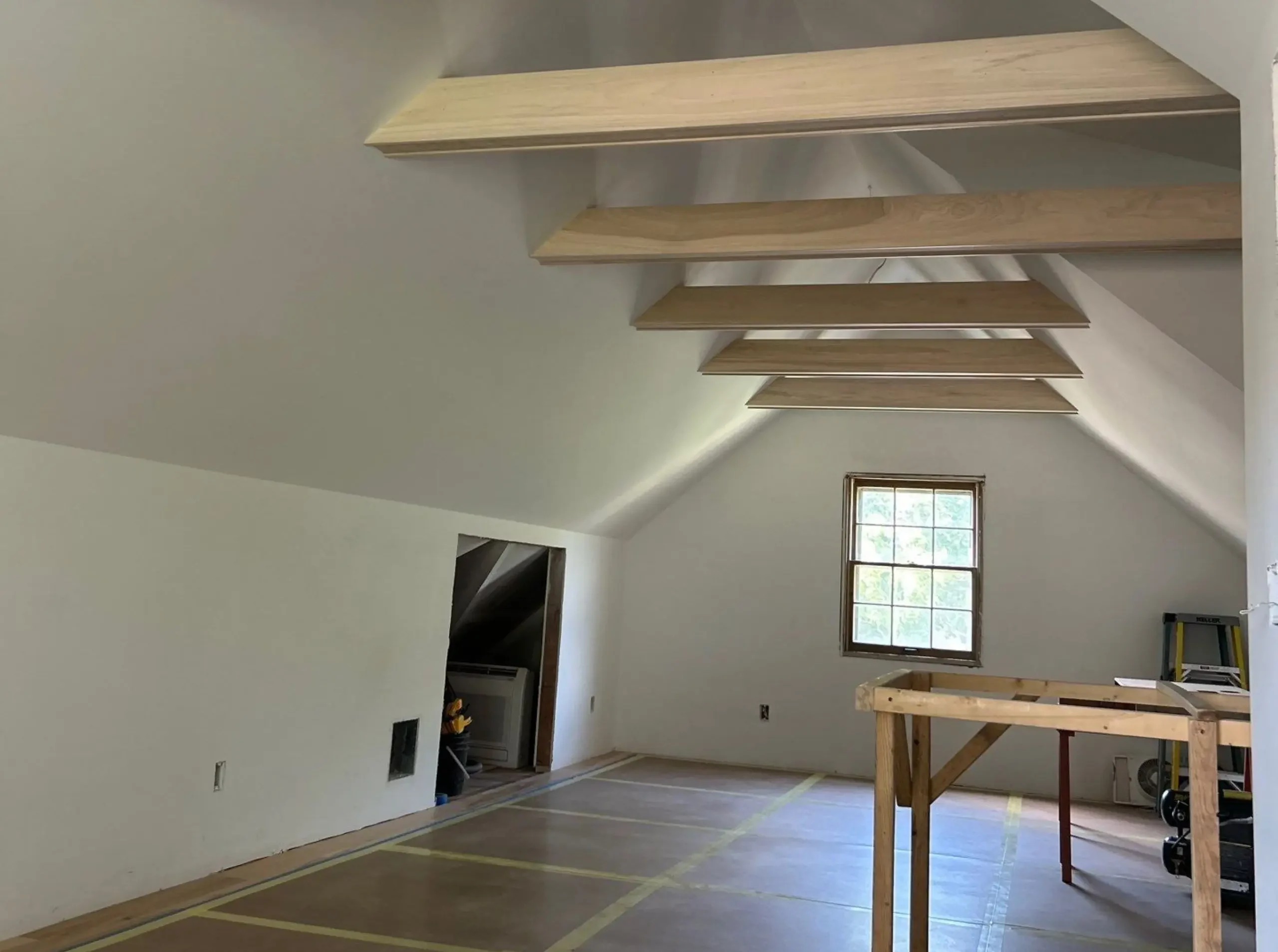

Today’s homeowners are looking to bring back what past updates removed: quality, proportion, and permanence. Remodeling isn’t just about modernization; it’s about restoring intention — bridging the craftsmanship of the past with the way we live today. Updating old homes for modern living is, at its core, a labor of love — one that requires patience, skill, and respect for the builders who came before.